
Dental Cleanings and Exams at Kitto Family Dental
Regular cleanings keep small stuff small. Ours are gentle and unhurried, and your exam comes with straight answers (and zero lectures).
- Gentle, unhurried cleanings at your pace
- Only the x-rays you actually need
- Findings shown on the chairside screen
- Help understanding your insurance
- CareCredit, Cherry, or our membership plan

Steady cleanings. Smaller problems.
What are the benefits of cleanings and exams?
Catch small stuff early
Small cavities and gum changes are simpler to fix when found early.
That just-cleaned feeling
We remove hardened tartar that brushing and flossing can’t reach.
Healthier gums
Regular cleanings help keep gum inflammation in check. See gum health.
An oral cancer screening
The doctor checks your mouth, tongue, and neck at every exam.
No mystery about your mouth
You leave knowing what is healthy and what needs watching.
Easier on your wallet
Preventive visits are usually the most affordable care you can get.
Here’s how a cleaning goes.
Any changes in health, medications, or dental concerns since last visit.
Low-dose digital x-rays if clinically indicated. Not every visit needs them.
Gentle removal of plaque and tartar, polish, and floss. Pace to your comfort.
Comprehensive look at teeth, gums, bite, and oral cancer screening. Plain-language review of what we see.
How often should you come in?
Most healthy adults do well with two cleaning and exam visits per year, roughly six months apart. That rhythm gives us a chance to catch new decay or gum changes before they become bigger problems, and it keeps the cleaning itself quick and comfortable.
Some patients benefit from more frequent visits:
- If you have a history of cavities, we may suggest every three or four months to keep risk low.
- If you have active gum disease (periodontitis), maintenance cleanings every three to four months are standard until the gums stabilize.
- If you smoke, take medications that cause dry mouth, or are pregnant, your gums may need more frequent attention.
- Children generally follow the same six-month cadence starting around the first birthday.
We’ll tell you honestly what cadence fits your mouth. No upselling.
What a cleaning can (and can’t) do.
Does: removes hardened plaque (tartar) that brushing can’t reach, polishes stain, flosses between teeth, and gives the hygienist a chance to screen for gum changes before they become bigger.
Doesn’t: replace daily brushing and flossing, treat active decay, or whiten teeth (although it does remove surface stain, which can make teeth look noticeably brighter).
How often to come in for a cleaning
| Your situation | Recommended interval | Why |
|---|---|---|
| Healthy gums, low cavity risk | Every 6 months | Maintenance; catches small changes early |
| Early gingivitis | Every 4 to 6 months | Reverses inflammation before bone loss starts |
| Active periodontitis (post-treatment) | Every 3 to 4 months | Prevents recurrence after deep cleaning |
| High cavity risk (dry mouth, diet, meds) | Every 3 to 4 months | More frequent monitoring + fluoride |
| Pregnancy | Every 3 to 6 months | Hormonal changes increase gum inflammation |
| Smoker | Every 3 to 4 months | Smoking slows healing and masks gum changes |
Who you’ll see.
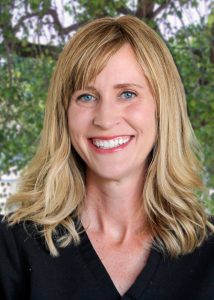
Dr. Ashley Kitto Channer, DDS
Loma Linda University School of Dentistry. Practicing since 2011, in the practice her father, Dr. Robert Kitto, founded. Full-scope family and restorative care.
Every doctor here sees kids and adults, and you can ask for the same doctor each visit. Meet all three dentists.
Insurance, minus the headache.
- Most PPO plans welcome. We check your benefits before your visit, including deductible and remaining yearly maximum.
- A written estimate first. For anything beyond a routine preventive visit, you see what insurance is expected to pay and what you owe before we begin.
- We file the claim. You don’t need to send anything to your carrier yourself.
- No insurance? No problem. We explain costs up front. Our membership plan covers routine care for one yearly fee, and CareCredit or Cherry financing can help with larger treatment.
Not sure what your plan covers?
Call with your carrier name and member ID. We’ll tell you what to expect before you book. Heads up: we don’t participate in most DHMO or Medi-Cal dental plans.
Check my coverageWhy keep up with cleanings?
Plaque hardens into tartar that only a cleaning removes. Left alone, it can irritate gums and hide early decay. Most problems found at a routine visit are small, quick, and less costly to treat than the same problem found later.
Have questions about cleanings and exams?
Do cleanings hurt?
Why do I need x-rays?
What if I haven’t been in for a long time?
Does my insurance cover cleanings?
How long does a cleaning and exam take?
What is the difference between a regular cleaning and a deep cleaning?
What does the oral cancer screening involve?
Will I know the cost before treatment, and when do I pay?
Why people love Kitto.
4.9
473 Google reviews as of October 2026.
While you’re here.
Swipe for more. It all happens right here on East Main.
Family Dentistry
One dental home for kids, parents, and grandparents.
Schedule onlineKids’ Dentistry
Patient, playful visits from the first tooth on.
Schedule onlineEmergency Dentistry
Tooth pain or a broken tooth? Call for same-day help.
Call (805) 922-4109Tooth-Colored Fillings
Repair a cavity in one visit.
Schedule onlineDental Crowns
Protect a cracked or weak tooth.
Schedule onlineDental Implants
Replace a tooth with one anchored like a root.
Schedule onlineTeeth Whitening
Lift stains safely, matched to your enamel.
Schedule onlineClear Aligners
Straighten teeth with clear, removable trays.
Schedule onlineRoot Canal Treatment
Stop infection pain and keep your tooth.
Call (805) 922-4109Tooth Extractions
Careful removal when a tooth can’t be saved.
Call (805) 922-4109Dental Bridges
A fixed tooth that fills the gap.
Schedule onlineDental Bonding
Fix chips and small gaps in one visit.
Schedule onlineGum Health
Treat bleeding or puffy gums early.
Schedule onlineSealants and Fluoride
No-drill protection against cavities.
Schedule onlineComfort for Anxious Patients
Go at your pace, with breaks and no judgment.
Schedule online
Light reading (for your teeth).
We accept most PPO plans, CareCredit, Cherry, and offer a membership plan for patients without insurance.
Overdue for a cleaning? No judgment.
Pick a time that fits your week. We’ll handle the rest.