
Dental Crowns at Kitto Family Dental
Some teeth need more than a filling. A crown covers the whole tooth like a helmet, so you can chew on that side again without a second thought. We show you what we see first, and you get the cost in writing.
- Two visits, about two to three weeks apart
- Shaded to blend right in
- A temporary crown keeps you covered in between
- Help understanding your insurance
- CareCredit, Cherry, or our membership plan
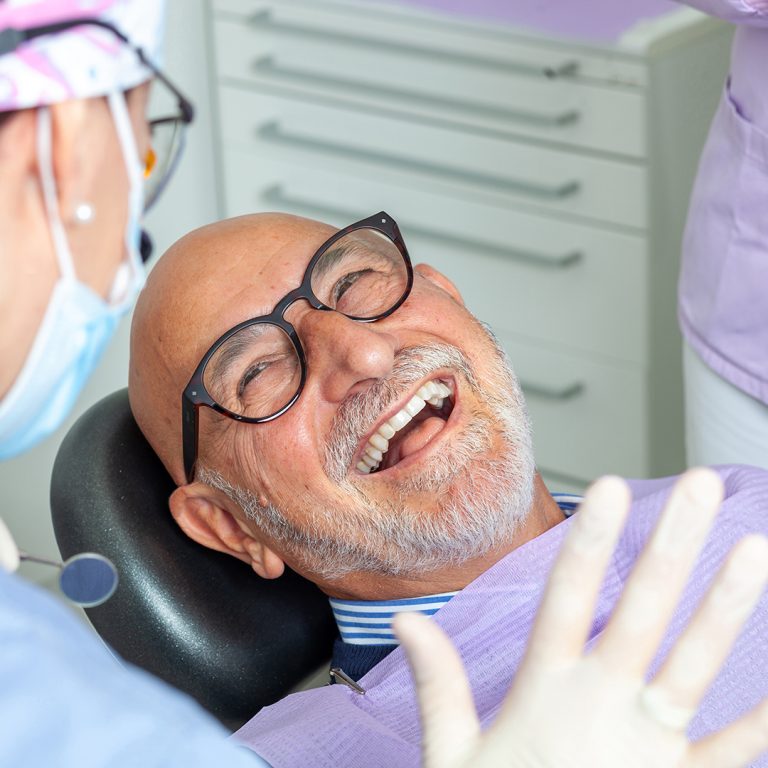
A helmet for a tooth that’s been through a lot.
What are the benefits of dental crowns?
Holds it all together
A crown holds a cracked or heavily filled tooth together.
Back to chewing on both sides
You can bite and chew normally once the final crown is placed.
Nobody has to know
Crown shade and shape are matched to your other teeth.
Built for the long haul
With good care, crowns often last many years.
Root canal backup
Back teeth often need a crown after a root canal.
Keeps your real tooth
Keeping your natural root is often better than replacing the tooth.
When a crown makes sense.
Crowns are a good fit for teeth that are:
- Cracked, chipped, or structurally weakened
- Significantly decayed where a filling would not hold
- After a root canal (to prevent the tooth from fracturing)
- Discolored or oddly-shaped (for cosmetic reasons)
- Supporting a bridge, or attached to an implant
If a filling can do the job, we’ll go with the filling. Crowns are a bigger step, so we only suggest one when your tooth truly needs the backup.
Two visits. One sturdy tooth.
We numb the area, shape the tooth to receive a crown, and take a digital or physical impression. A temporary crown is placed to protect the tooth.
Your custom crown is fabricated to match the shape and color of your natural teeth. This takes about two to three weeks.
We remove the temporary, try in the final crown, check fit and bite, and bond it in place. The visit is typically shorter than the first one.
If anything feels off a few days later, call us for a quick adjustment. Crowns rarely need any after the first week.
So, what’s it made of?
Most crowns we place are all-ceramic or porcelain-fused-to-metal, chosen based on the tooth’s position, the bite forces it faces, and your cosmetic preferences. Back teeth often use stronger materials; front teeth often use highly esthetic all-ceramic materials. We discuss the trade-offs and let you choose.
Dental crown materials compared
| Material | Appearance | Durability | Best use |
|---|---|---|---|
| All-ceramic (zirconia or lithium disilicate) | Natural, translucent | Very high | Front and back teeth where aesthetics matter |
| Porcelain-fused-to-metal (PFM) | Good; metal shadow at gumline possible | Very high | Back teeth; bridges |
| All-metal (gold alloy) | Metallic (not tooth-colored) | Highest | Back molars where chewing forces are extreme |
| All-resin | Natural; wears faster | Lower | Temporary crowns |
Who you’ll see.
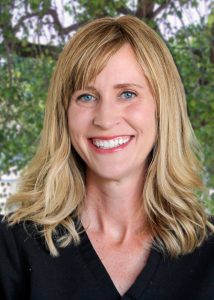
Dr. Ashley Kitto Channer, DDS
Loma Linda University School of Dentistry. Practicing since 2011, in the practice her father, Dr. Robert Kitto, founded. Full-scope family and restorative care.
Every doctor here sees kids and adults, and you can ask for the same doctor each visit. Meet all three dentists.
Insurance, minus the headache.
- Most PPO plans welcome. We check your benefits before your visit, including deductible and remaining yearly maximum.
- A written estimate first. For anything beyond a routine preventive visit, you see what insurance is expected to pay and what you owe before we begin.
- We file the claim. You don’t need to send anything to your carrier yourself.
- No insurance? No problem. We explain costs up front. Our membership plan covers routine care for one yearly fee, and CareCredit or Cherry financing can help with larger treatment.
Not sure what your plan covers?
Call with your carrier name and member ID. We’ll tell you what to expect before you book. Heads up: we don’t participate in most DHMO or Medi-Cal dental plans.
Check my coverageWhy crown a damaged tooth?
A cracked or weak tooth can split under chewing pressure (yes, even on tri-tip night). Once a tooth splits below the gumline, it often can’t be saved. A crown spreads the force and protects what’s left.
Have questions about dental crowns?
How long do crowns last?
Will a crown look like a real tooth?
Does getting a crown hurt?
Can I eat normally with a crown?
How much does a crown cost?
How long does the crown process take?
Do I need a crown after a root canal?
Will I know the cost before treatment, and when do I pay?
Why people love Kitto.
4.9
473 Google reviews as of October 2026.
While you’re here.
Swipe for more. It all happens right here on East Main.
Family Dentistry
One dental home for kids, parents, and grandparents.
Schedule onlineCleanings and Exams
Gentle visits that keep small problems small.
Schedule onlineKids’ Dentistry
Patient, playful visits from the first tooth on.
Schedule onlineEmergency Dentistry
Tooth pain or a broken tooth? Call for same-day help.
Call (805) 922-4109Tooth-Colored Fillings
Repair a cavity in one visit.
Schedule onlineDental Implants
Replace a tooth with one anchored like a root.
Schedule onlineTeeth Whitening
Lift stains safely, matched to your enamel.
Schedule onlineClear Aligners
Straighten teeth with clear, removable trays.
Schedule onlineRoot Canal Treatment
Stop infection pain and keep your tooth.
Call (805) 922-4109Tooth Extractions
Careful removal when a tooth can’t be saved.
Call (805) 922-4109Dental Bridges
A fixed tooth that fills the gap.
Schedule onlineDental Bonding
Fix chips and small gaps in one visit.
Schedule onlineGum Health
Treat bleeding or puffy gums early.
Schedule onlineSealants and Fluoride
No-drill protection against cavities.
Schedule onlineComfort for Anxious Patients
Go at your pace, with breaks and no judgment.
Schedule online
Light reading (for your teeth).
We accept most PPO plans, CareCredit, Cherry, and offer a membership plan for patients without insurance.
Tooth been through a lot? Let’s fix that.
Book an exam and we’ll show you what we see, talk through your options, and put the costs in writing. No pressure, ever.